RTL verification that learns from your last bug
Fpgawright catches CDC hazards, reset-topology violations, and timing path issues before tape-out — and weights every analysis by the fault patterns your team has already hit.
Verification loops eat weeks. One respin costs more than a year of tooling.
IC design teams run thousands of simulation cycles to catch violations that a static analysis pass would flag in minutes. The problem isn't computing power — it's that generic linters don't understand your architecture, your team's known failure modes, or your clock topology.
Estimates based on published EDA industry reports and process-node cost data. Not Fpgawright internal measurement.
Point it at your RTL. Let it learn. Ship with confidence.
Connect your RTL repository
Push-hook or CI trigger. Fpgawright ingests your Verilog / SystemVerilog source, your existing simulation logs, and prior tape-out bug reports. No refactoring, no new format.
Static + learned analysis runs
Core engine checks 140+ built-in design rules. Then the learning model applies your team's historical bug patterns — violations that bit you before rise to the top.
Actionable report in minutes
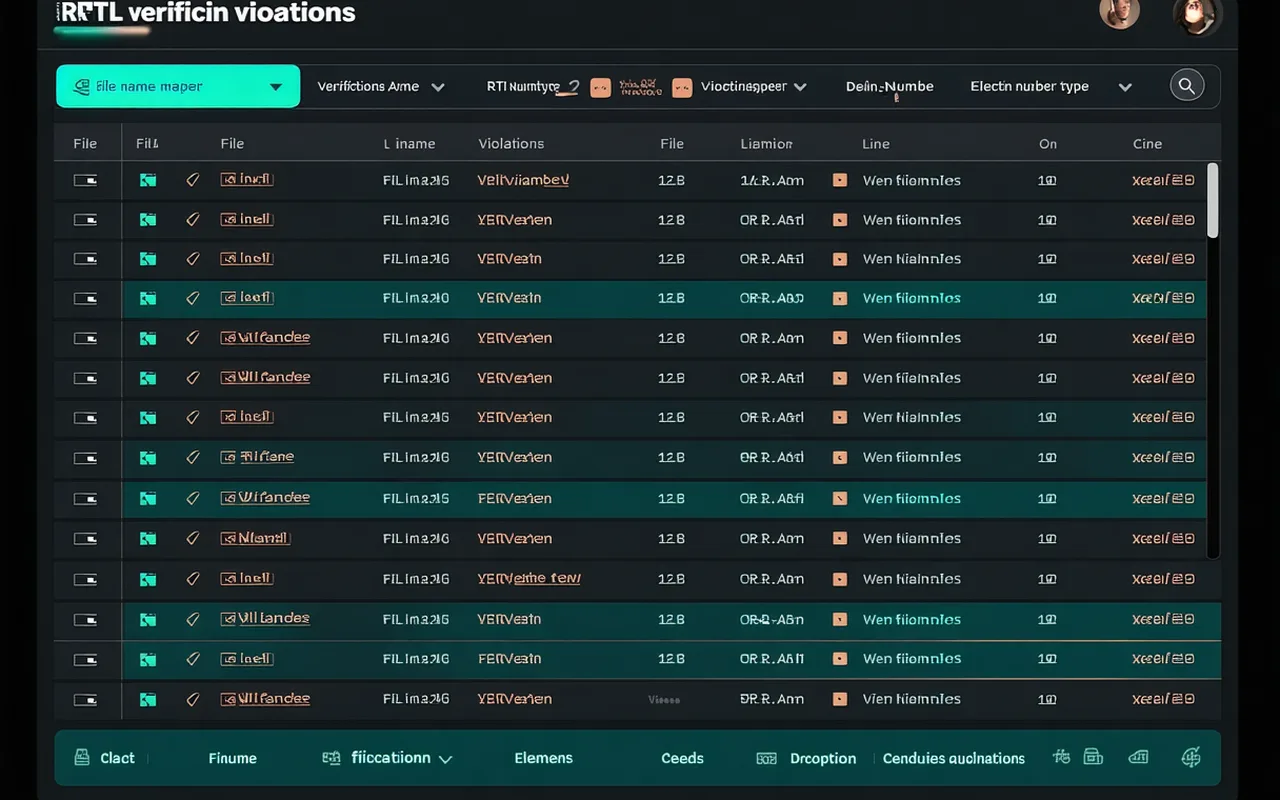
Ranked list of violations with file + line + explanation. Each issue links to the relevant spec clause or your own past incident. Integrates into GitHub Actions, Jenkins, or your existing review flow.
Built for the verification engineer, not the procurement checklist
Clock domain crossing detection
Identifies unsafe CDC paths including async resets, multi-bit signals, and reconvergence hazards in mixed-frequency designs.
State machine coverage gaps
Traces FSM state-transition coverage against your simulation logs — surfaces unreachable states and missing transition assertions.
Historical bug-pattern learning
Ingest your team's past tape-out bug reports. Fpgawright learns which violation classes your architecture is prone to and weights them accordingly.
Design rule violations
140+ configurable RTL rules covering reset topology, bus width mismatches, combinational loop detection, and latch inference.
CI pipeline integration
Native GitHub Actions, GitLab CI, and Jenkins plugins. Runs on every commit. Blocks merge on critical violations, warns on low-severity.
Diff-aware analysis
Compare analysis results across RTL revisions. See exactly which new violations a design change introduces — not just the total count.
Not another generic linter
Generic RTL linters apply the same rule set to every design. Fpgawright starts with 140 base rules, then layers your team's specific failure history on top. A violation that caused a respin in your last project gets surfaced first — because you told us it matters.
How it learns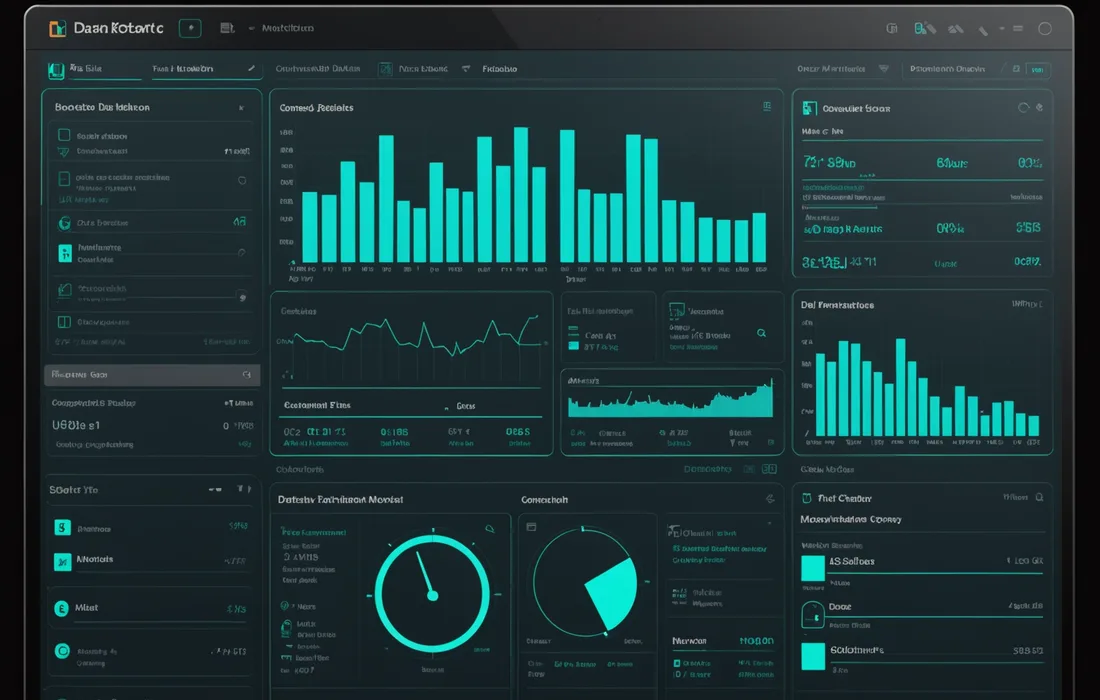
Timing hazards caught before simulation
Full simulation catches everything — but takes days. Fpgawright's static timing analysis pass catches setup/hold violations, glitch paths, and false paths in minutes. Use simulation to confirm, not discover.
See the analysis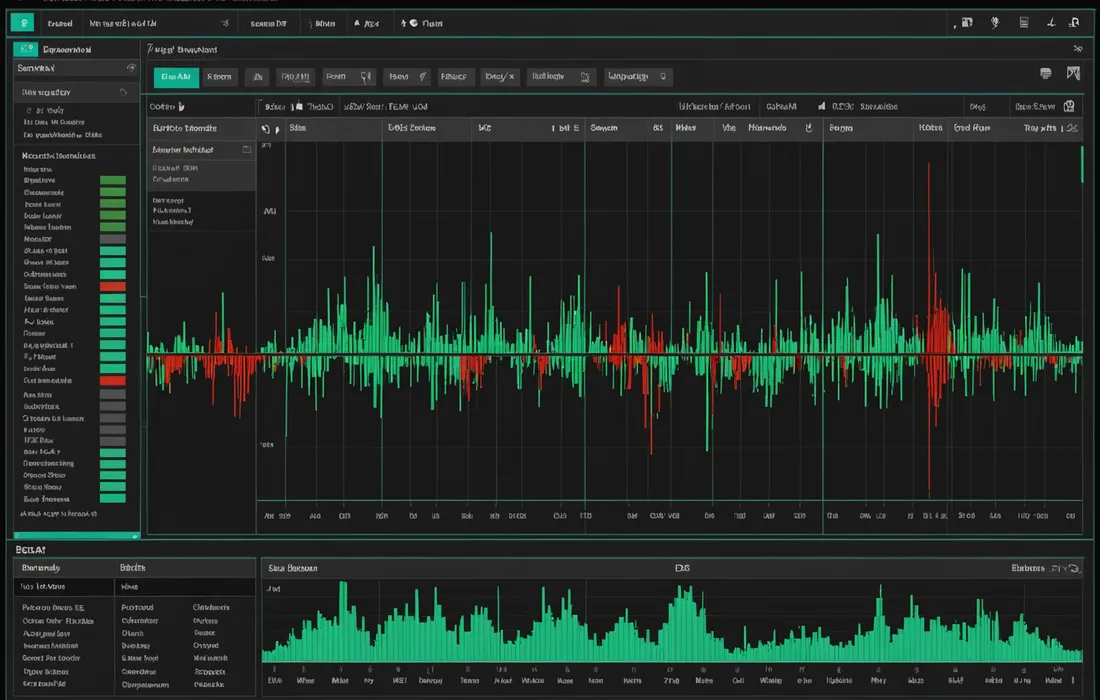
Lives in your existing flow
No new build system. No custom file format. Fpgawright reads standard Verilog, SystemVerilog, and VHDL. The CI plugin installs in under 10 minutes and posts inline PR comments on violation-introducing commits.
Quickstart guideWhat verification engineers say
We caught a clock-domain crossing on a 72-hour turnaround design that would have cost us three weeks of simulation time. Fpgawright paid for itself on the first run.

The historical bug learning is the feature I didn't know I needed. Our team's known-bad patterns are now first-class citizens in the analysis. That alone cut false-negative rate significantly.

Integration with our Jenkins pipeline took one afternoon. Now every commit gets a static verification pass before it touches our simulation queue.