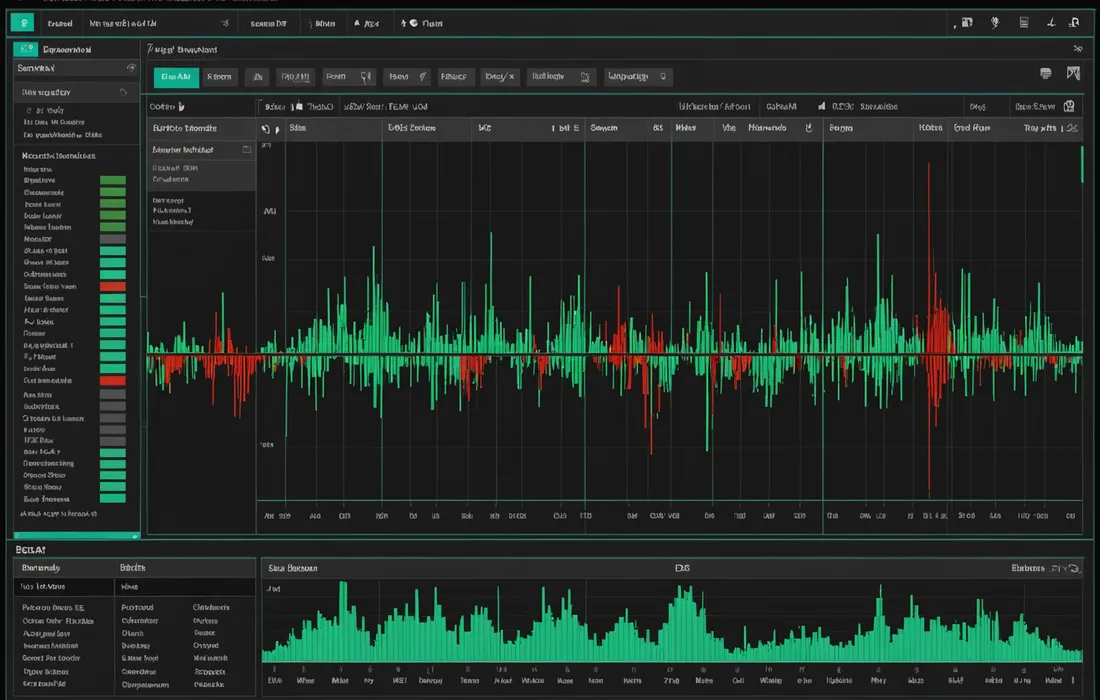
One static analysis pass. Every RTL violation ranked by what actually matters to your team.
How the rule engine, the learning model, and the diff-aware CI layer work together — and where each one fits in a real verification flow.
140+ design rules, tuned for real architectures
The base rule engine covers the violation classes verification engineers encounter in production silicon — not a generic linter checklist. Every rule maps to a specific failure mode with a known propagation path. This is not a style checker. These are the rules that, when violated, produce tape-out respins.
Rules are configurable via a YAML file in your repo root. Toggle individual rules on or off, adjust severity thresholds, and add custom rule assertions specific to your architecture.
rules:
  cdc:
    GLT-003: error
    GLT-011: warn
  reset:
    RST-007: error
learning:
  enabled: true
  weight_factor: 2.0
output:
  format: json
  fail_on: error
Your bug history, encoded as first-class rules
Export your simulation failure logs and past bug reports. Fpgawright's model indexes violation types, file paths, and module names. Violations that caused respins in past tapeouts are weighted at the top of every future report.
The learning model doesn't replace the base rule engine — it adjusts the ranking. If your architecture has a known pattern of CDC violations in a specific module family, that pattern rises. If a rule type has never fired on your codebase in 50k lines, its rank drops.
Set up learning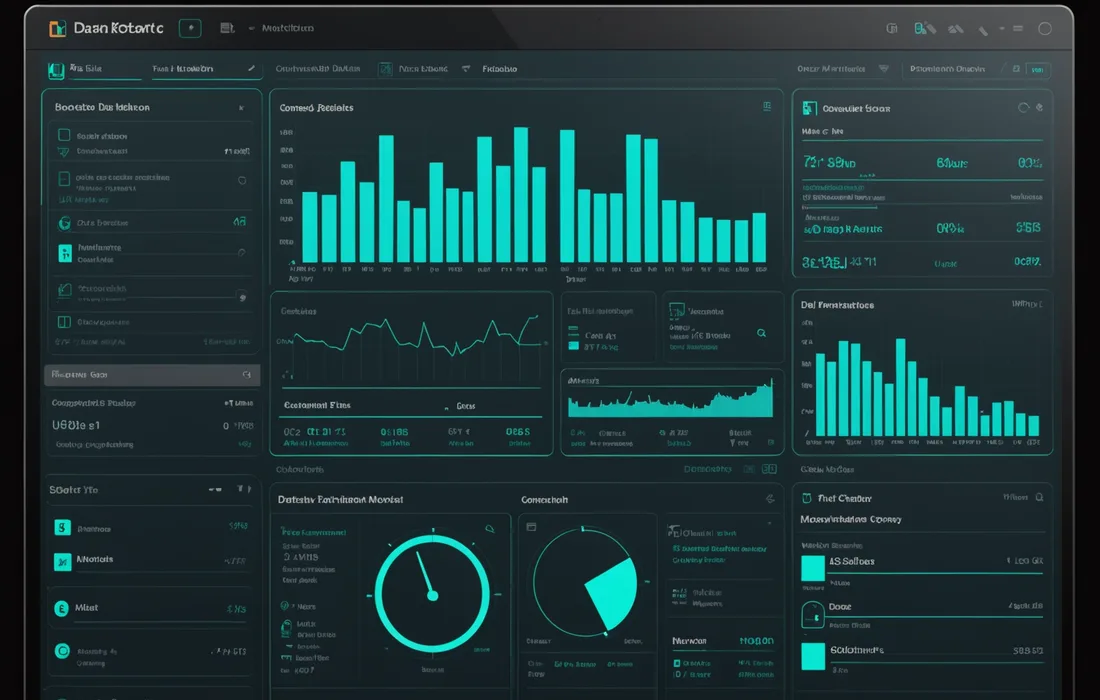
Works inside the tools your team already uses
Install in under 10 minutes. No new build system. No custom file format. Fpgawright reads standard Verilog, SystemVerilog, and VHDL from your existing repository layout.
Ranked, actionable, linkable
Every report is a ranked list of violations sorted by severity × learned weight. Each entry links to the file, line, and the relevant spec clause — or to your own prior incident if the learning model matched it.
Each violation entry includes:
- Rule ID and human-readable description
- File path, line number, and module context
- Severity (error / warn) and learned weight score
- Link to spec clause or your prior incident report
- Export as PDF or JSON for downstream tooling